
Pelé, whose full name is Edson Arantes do Nascimento, is widely regarded as one of the greatest football players of all time. He was born on October 23, 1940, in Três Corações, Brazil. Pelé’s football career spanned from 1956 to 1977, and he played as a forward.
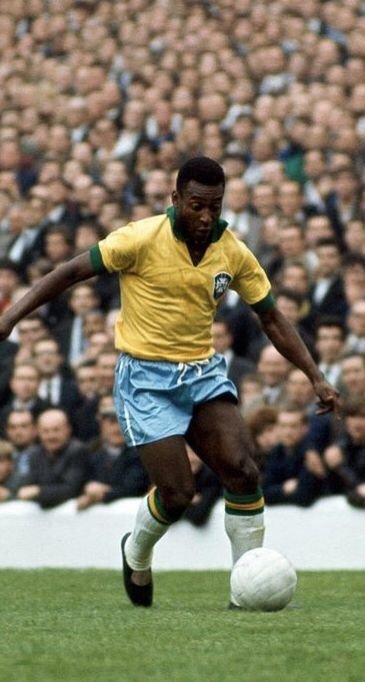
Pelé rose to prominence at a young age when he joined the Brazilian club Santos FC at the age of 15 in 1956. He made his first-team debut later that year and quickly established himself as a prodigious talent. Pelé’s exceptional skills, speed, and goal-scoring ability made him a sensation both domestically and internationally.
Pelé’s breakthrough on the international stage came in 1958 when he represented Brazil in the FIFA World Cup held in Sweden. At the age of 17, Pelé became the youngest player to appear in a World Cup final. He scored six goals in the tournament, including two in the final against Sweden, helping Brazil secure their first World Cup title. Pelé’s performances captured the world’s attention, and he was hailed as a rising star.
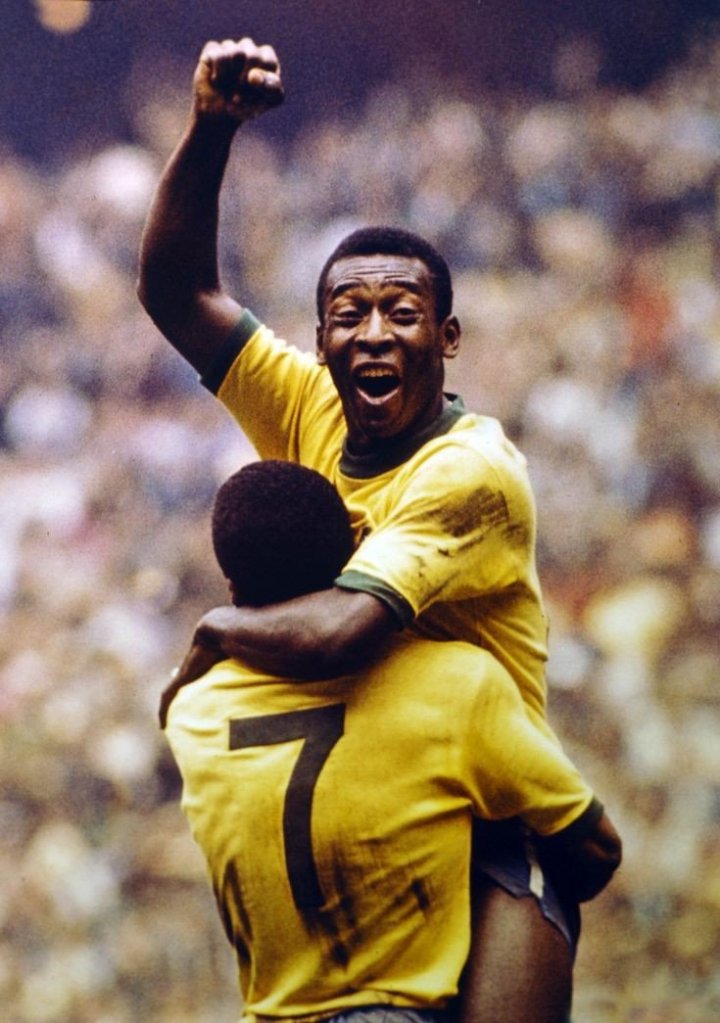
Over the next decade, Pelé continued to excel for Santos FC and the Brazilian national team. He won numerous domestic titles with Santos, including multiple Campeonato Paulista and Copa Libertadores titles. Internationally, Pelé played a crucial role in Brazil’s success in the 1962 World Cup, although an injury forced him to miss most of the tournament. Brazil ultimately emerged as champions for the second time.
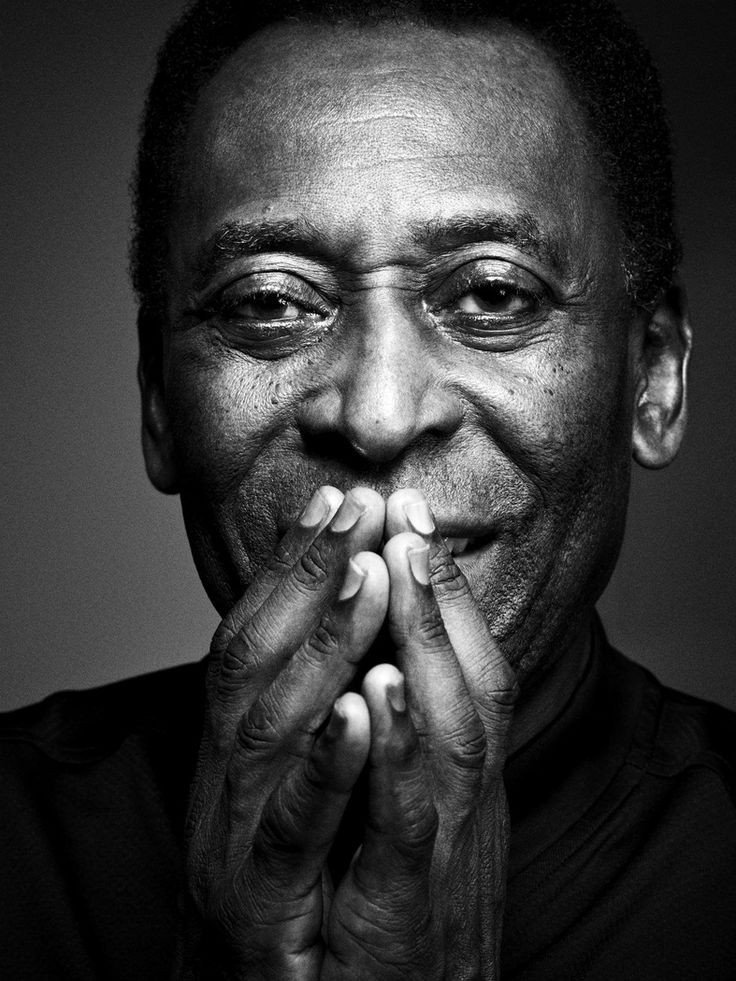
The pinnacle of Pelé’s career came in the 1970 World Cup held in Mexico. As the captain of the Brazilian team, he led them to their third World Cup triumph. Pelé’s performances were exceptional, and he played a pivotal role in Brazil’s attacking style of play, showcasing his skills, vision, and goal-scoring ability. The 1970 World Cup victory solidified Pelé’s legacy as one of the greatest footballers ever.
After the 1970 World Cup, Pelé played a few more seasons with Santos before embarking on a brief stint with the New York Cosmos in the North American Soccer League (NASL). His arrival in the United States helped popularize football in the country and brought attention to the NASL. Pelé retired from professional football in 1977.
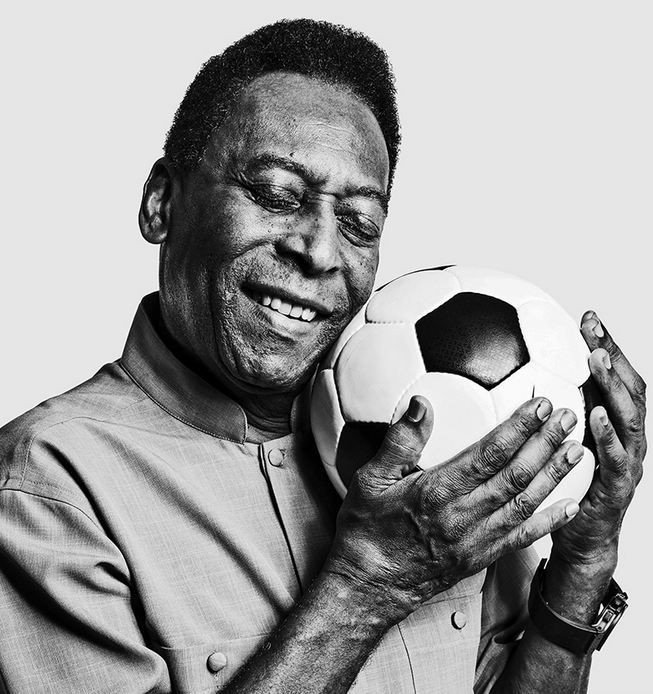
Throughout his career, Pelé scored an astonishing number of goals, surpassing the 1,000-goal mark. While the exact number of goals he scored is a topic of debate due to the nature of records during his era, Pelé’s influence and impact on the game are unquestionable.
Beyond his achievements on the pitch, Pelé became an ambassador for football and an advocate for social causes. He has been recognized with numerous awards and honors, including being named FIFA’s Player of the Century in 1999.
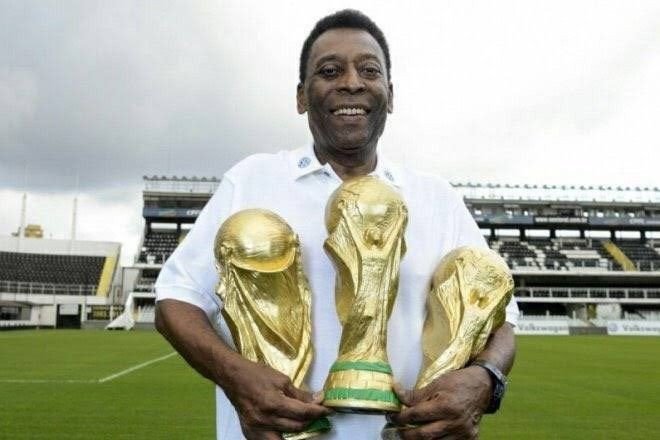
Pelé’s football career is celebrated as a golden era in Brazilian football, and his name continues to resonate with football fans worldwide. He remains an iconic figure in the sport, both for his incredible talent and his positive impact on and off the field.
PELE FOOTBALL CAREER IN GOLDEN TIME IN FOOTBALL HISTORY…
 GAMEZO🎮