
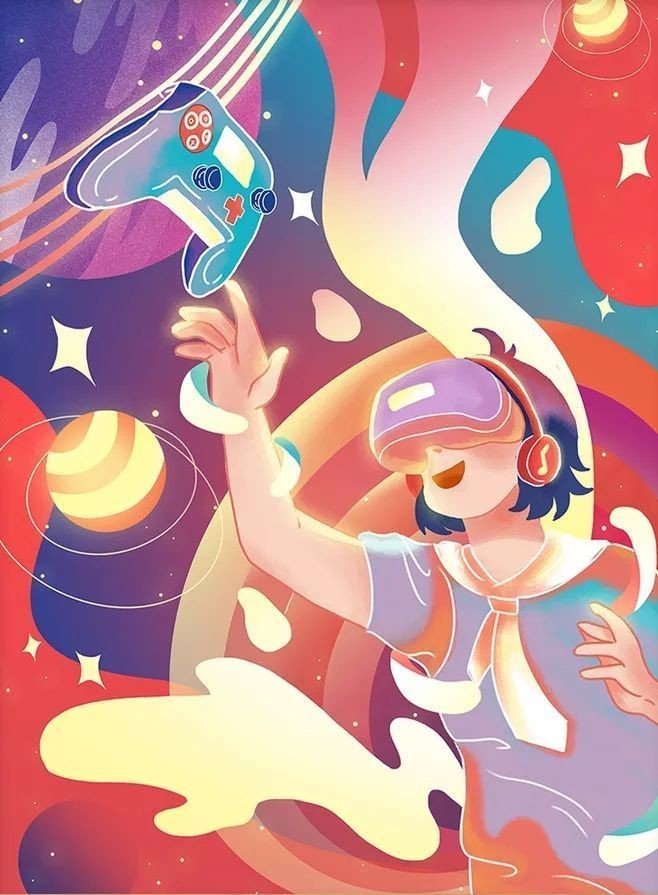
Artificial intelligence (AI) has been increasingly utilized in gaming, both as opponents in single-player games and as teammates or competitors in multiplayer games. As technology advances, AI’s role in gaming is expected to continue evolving. Here are a few potential ways AI could shape the future of gaming:

- Enhanced game intelligence: AI can be employed to create more realistic and challenging opponents in single-player games. By analyzing player behavior and adapting its strategies, AI opponents can provide a dynamic and engaging gaming experience.
- Procedural content generation: AI algorithms can generate vast amounts of content, including maps, levels, quests, and characters, allowing for more expansive and diverse game worlds. This can help game developers reduce development time and costs while maintaining high-quality gameplay experiences.
- Personalized gaming experiences: AI can analyze player data, including gameplay patterns, preferences, and skill levels, to provide personalized recommendations and adapt the game experience to individual players. This can result in tailored challenges, difficulty adjustments, and content suggestions, enhancing player engagement.
- Realistic NPCs and virtual characters: AI technologies like natural language processing and computer vision can enable more immersive interactions with non-player characters (NPCs) and virtual characters. NPCs can have realistic dialogue and behaviors, making the game world feel more lifelike and dynamic.
- Intelligent game design assistance: AI can assist game designers by providing automated playtesting, identifying potential balance issues, suggesting improvements, and even generating new game mechanics. This collaboration between designers and AI can streamline the development process and foster innovative game design.
- AI-assisted game streaming and broadcasting: AI can enhance the experience of game streaming and broadcasting platforms by offering features such as automated camera control, real-time audience feedback analysis, and personalized highlights generation. This can improve the viewing experience for both live and recorded gameplay content.
- AI-generated visuals and animations: AI algorithms, such as deep learning-based image synthesis and animation techniques, can generate realistic graphics, textures, and animations. This can reduce the workload of artists and animators, allowing them to focus on more creative aspects of game development.
It’s important to note that while AI has great potential in gaming, there are also ethical considerations to address. Fairness in AI gameplay, data privacy, and ensuring that AI does not exploit or harm players are crucial aspects that need to be carefully managed as AI technology continues to advance in the gaming industry.
COMMENT BY AI GAMING!
GOOD LUCK 🤞❤️
 GAMEZO🎮